
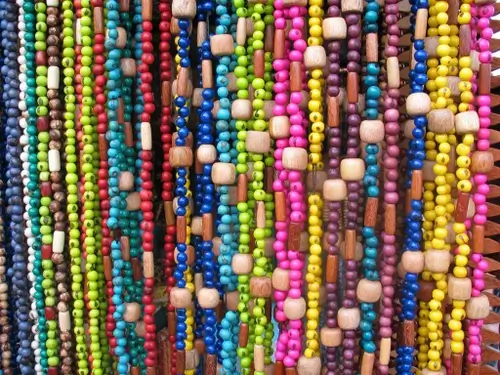
 Tasbih(rosary) is one of the most treasured spiritual symbols used across numerous cultures for thousands of years as a tool for prayer, (remembrance), meditation, and inner peace. In this article, we’ll explore the origins of tasbih, its cultural significance, and how it became part of Azerbaijani tradition.
The Ancient History of rosary (tasbih)
The journey of tasbih through history dates back to the earliest days of religion — and perhaps even earlier. According to historical sources, the first forms of prayer beads appeared around the 2nd millennium BCE in India. At that time, Brahman priests used necklace-like objects resembling prayer beads to communicate with the universe and offer prayers.
In Buddhist tradition, these beads are called japa mala and typically consist of 108 beads — a number considered sacred as per the teachings of Buddha. Buddhist monks use them for chanting, enhancing focus, and accumulating fine energy.
 Rosary in Christianity and Other Traditions
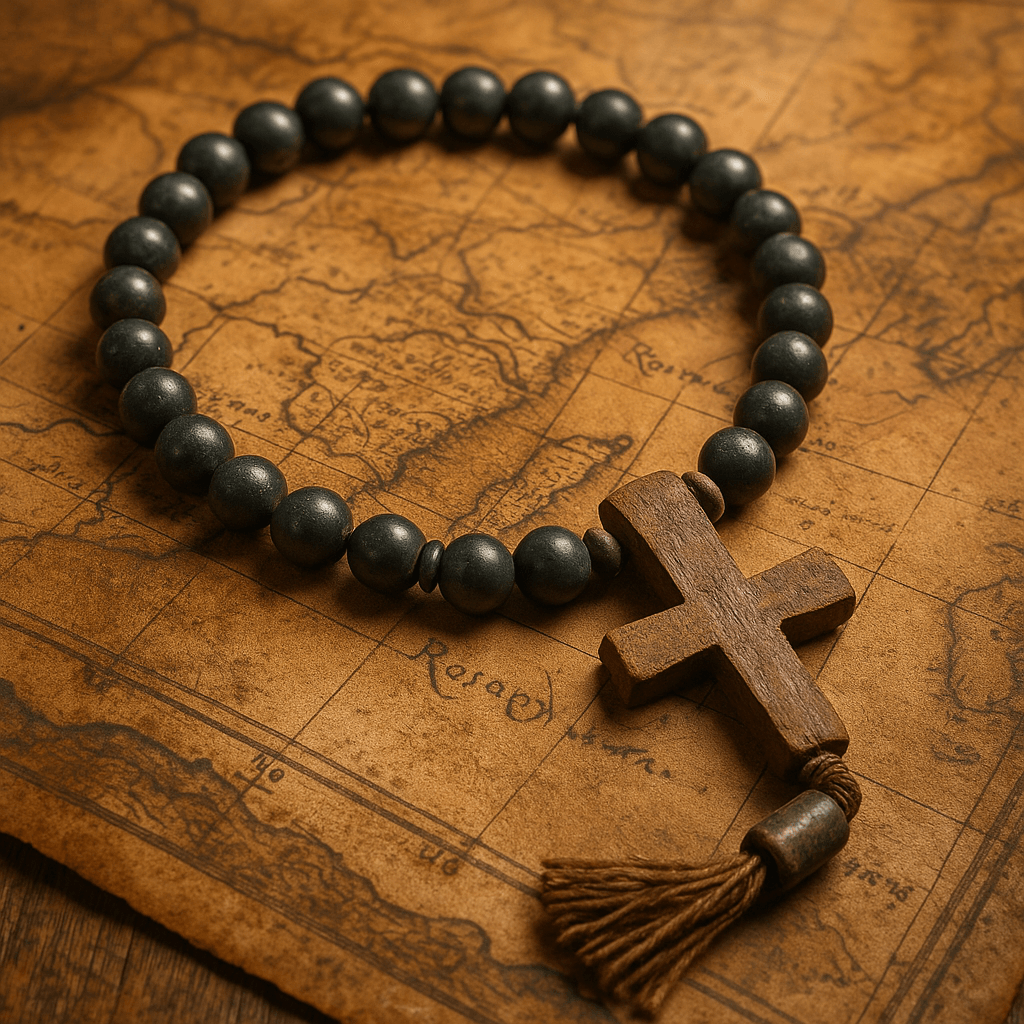
Traces of prayer beads can also be found in Christian traditions. Frescoes and icons from the 11th–12th centuries depict Christian saints holding prayer beads. To dive deeper, read more about the Rosary.
In the early Christian East, believers adopted the use of tasbih through cultural exchange with Muslims. According to Catholic legend, the Virgin Mary presented the rosary to Saint Dominic in 1214.
Similar Terminology Across Cultures
Different cultures refer to prayer beads with their own terminology:
- Buddhists: “omoy no tama” (memory beads)
- Japanese: “juzu”
- Christians: “rosary”
- In Islam: “subha”
All these terms reflect the shared function of these beads — facilitating prayer, remembrance.
Rosary in Islam and Its Cultural Emergence
The word tasbih derives from the Arabic term “subha”, a root from the word “Subhanallah” (Glory be to God).
Studies suggest that the concept of tasbih may have been influenced by Brahmanic traditions from India and later shaped within Islamic culture. This cultural transfer was especially prominent during the Umayyad period, as ties with the Indian subcontinent strengthened.
However, During the Abbasid Caliphate, Muslim communities widely adopted prayer bead in worship.”. This era saw a more defined religious structure and the growth of Sufi orders, where tasbih became an integral part of spiritual practice.
The Arrival of rosary in Azerbaijan
The Arab Caliphate introduced tasbih to Azerbaijani lands in the 7th–8th centuries.. With the spread of Islam across the South Caucasus in the early centuries of the Hijra, People in our culture began using the prayer bead as a spiritual item.
Read more about the history of rosary
Historical cities like Nakhchivan and Ganja used tasbih widely, and Shaki, where religious scholars, dervishes, and Sufi mystics used it for prayer and spiritual remembrance.
In Azerbaijan, rosary(tasbih) has been cherished not only as a religious tool but also as an item of aesthetic value, a symbolic gift, and a marker of social status.
👉 Browse our tasbih models here
Ancient Rosary Made from Wood and Stone
In ancient times, People often made prayer beads from natural materials. Such as wood and stone — creating a connection between the spiritual and the earthly.
rosary has evolved into a unifying element across Abrahamic religions, Eastern philosophies, and cultural traditions — a tool for spiritual balance, prayer, and mindfulness. In Azerbaijan, this symbol is preserved not just as a religious artifact, but as a cultural treasure passed through generations.
👉 Explore our tasbih catalog